
Home Advantage, Stadium Atmosphere, and Sport Betting Odds: How I Bet Smarter on a Football Match (Home Field Advantage Explained)

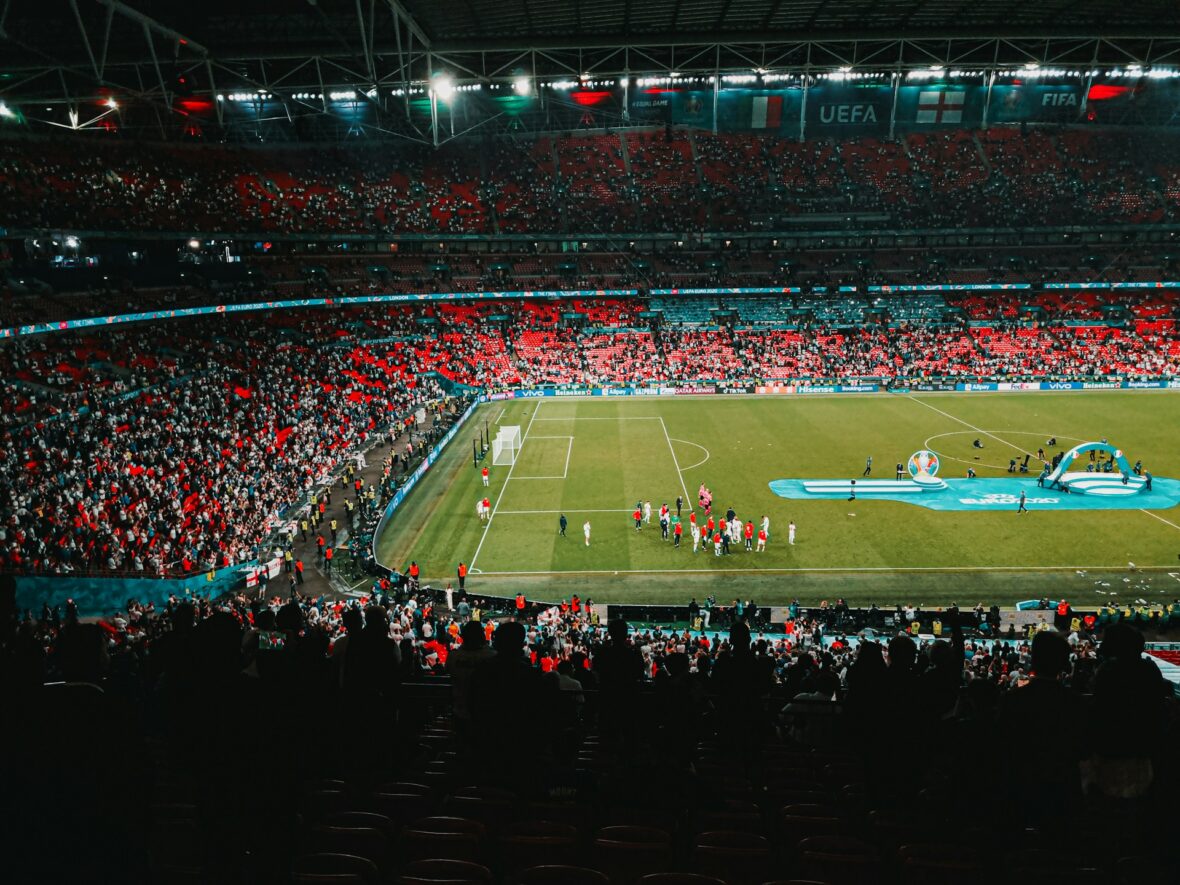
When I place a bet on a football match, I’m not just looking at form, injuries, and tables. I’m looking at home advantage, the stadium, the stadium atmosphere, and the quiet little ways they have influence on results and betting odds - . In sports betting, I’ve learned that a strong home field can move a line even before a ball is kicked, and the atmosphere can turn an “even game” into a real edge for the home team.
This article is worth reading because I’m not repeating clichés. I’m breaking down how home field advantage actually shows up in real matches, why fans on home advantage matter, what happens without fans, and how all of that impacts betting decisions in a league season.
What is home advantage, and why does it matter in a league?
Home advantage is the extra edge a home team tends to get simply because the match is in their own stadium. In a long league season, that edge adds up. The impact of home advantage is not magic; it’s a mix of comfort, routine, and the fact that the away team has to deal with travel and pressure. In a professional football game, it’s one of the few patterns that still shows up across seasons.
I see it as an “edge multiplier.” Even if a home team is only slightly better on paper, the home field advantage can push it into a better result more often than people expect. That’s why I say home advantage remains a real factor in a modern football league, especially when schedules are packed, and the margins are tiny.
How the stadium atmosphere changes a match for the home team
A loud stadium atmosphere changes how players feel, how they take risks, and how fast momentum swings. When there are thousands of fans behind a home team, every tackle sounds bigger, every corner feels like a mini final, and the roar after a chance can lift energy instantly. That’s the atmosphere created by a crowd that believes.
I’ve seen it in classic football stadiums where the stands are close, and the noise traps you. The famous example for me is Anfield - you can feel the pressure through the screen. It’s not just volume; it’s timing, it’s crowd chants, it’s that constant wave that makes a visiting team rush decisions. That’s why fan support is more than “nice vibes.” It can significantly influence confidence and rhythm.
Managers often talk about "the weight of the shirt" - the invisible pressure to perform for home fans. Clubs with long traditions or impatient supporters, such as Real Madrid or Manchester United, sometimes suffer when expectation outweighs composure. A missed chance at home draws headlines; the same miss away is forgotten.
And here’s the sneaky part: it’s not only the players. The match becomes a “home script.” The home crowd reacts to every foul, every 50/50, and every delay. That constant noise is part of the influence on home advantage, because it shapes the emotional temperature of the game.
Referee decisions and referee bias for sports betting: Is it real?
I’m careful with this topic, but I’ve watched enough games to say this: referee behaviour can tilt slightly under pressure, and referee bias is a real discussion in football. It doesn’t mean corruption. It can be tiny choices: a softer foul called, a faster advantage, an extra warning. Over 90 minutes, those tiny calls can influence the outcome.
What matters for betting is understanding where pressure comes from. If a match is in a loud ground with heavy crowd noise, the ref feels it. In tight matches, even the distribution of yellow and red cards can shift. I’ve seen refs manage games differently when the crowd is relentless, especially when the importance of the match is high.
This is one reason home teams win more than people think in certain spots, especially in emotionally charged fixtures. It doesn’t decide every game, but it can affect match flow in subtle ways, and yes, it can favour the home side in borderline moments.
Familiarity, travel, and routine: the boring reasons teams perform better at home field
The less dramatic side of home advantage is routine. Familiarity with the pitch, the dressing rooms, the tunnel, and the timing of the day matters. Some teams train on the same ground and know how the ball moves on that surface. That familiarity with their home setup is underrated, and it’s one reason teams can perform better even when the opponent is strong.
Travel is also real. The away team has to deal with hotels, food timing, and a different sleep pattern. In a tight league campaign, that stuff becomes heavy. It’s not glamorous, but it impacts sharpness. When teams playing midweek and weekend have to keep flying or driving, the edge in a home game can show up as better intensity in the first 20 minutes.
I also think about the match rhythm. The home team’s warm-up is familiar, the walkout is routine, and the players know the “feel” of their home ground. Meanwhile, the opponent is adjusting. That is a real ground advantage, even before the first spin of momentum (yeah, it feels like a wheel sometimes).
What I noticed without fans and in matches played without fans
If you want to understand the raw mechanics of home field advantage, look at the period without fans. When games were played without fans, it was like someone removed a huge layer of pressure. The same stadium looked empty, and the emotional surge was gone. That absence of fans didn’t erase home advantage entirely, but it changed its shape.
In matches played without fans, I noticed fewer momentum swings based purely on crowd emotion. The home fans weren’t there to lift a tired team, and the atmosphere didn’t punish the away team the same way. The “hostile” edge dropped. That’s why I pay attention to the difference between playing with fans and those quiet games, the crowd is not decoration; it’s force.
This is where home support becomes measurable in practice. When the crowd is back, the home advantage feels sharper again, especially in intense derbies. The team and fans create a loop: energy on the pitch, reaction in the stands, then energy back on the pitch.
How I read betting odds when a home team is involved
When I’m looking at betting odds, I ask a simple question: are the markets pricing the home field fairly, or are they overreacting to narrative? In betting markets, “home” can be overpriced in big names and underpriced in smaller grounds where the crowd effect is brutal.
My rule: if the home team is strong at their stadium and the away team struggles playing away, I’m more interested. I’ll consider betting on home if the price still makes sense. If the odds are too short, I’ll pass, because home advantage isn’t a guarantee, it’s an edge. The advantage might be worth something, but it’s not worth paying any price.
Also, I watch how line movement behaves near kickoff. If the crowd is expected to be loud, and it’s a derby, and the match has tension, the market can drift. That’s the practical impact of home that influences pricing.
Premier League and Europe: English Football vs. Champions League Home Edges
In the Premier League, the crowd is intense and the pace is high, so the energy effect feels stronger. In the English Premier League (same idea, just said once), the schedule is brutal too, which makes playing at home recovery more valuable. That’s why I keep the home angle in mind when teams rotate heavily.
In the Champions League, it’s different. European nights create a different pressure. Sometimes the home crowd becomes extra intense, but sometimes the away team is more experienced and handles it better. Still, you can’t ignore the stage, the stadium atmosphere can spike massively, and the psychological weight hits both sides.
If I’m comparing contexts, I treat league play as “pattern-based” and Europe as “moment-based.” Both have home advantage, but the way it shows up changes depending on the stakes and opponent profile.
Roar, pressure, and momentum: the psychology of a hostile environment
This is the part people feel but struggle to explain. The roar after a tackle, the reaction to a missed call, the way a crowd counts down keeper time, it all pushes pressure. That’s how a hostile environment forms. It doesn’t always change skill, but it changes decision-making speed.
In my experience, the away football team is more likely to clear the ball early, take fewer risks, and rush passes under noise. The home players can play bolder because they feel protected by the crowd. That’s one reason the crowd can give the home side momentum during rough patches.
It’s not just noise; it’s context. A crowd’s reaction can reshape confidence. That’s the crowd influence factor people ignore when they only look at stats.
How to measure home advantage and make it useful for a bet
If you’re serious about football betting - Football betting sites, you have to measure home advantage instead of treating it like a vibe. I look at a few things: home results over a meaningful sample, goals for/against at home, and whether the team’s style fits their ground. This is where a little statistical thinking helps, not overcomplicated modelling, just clear comparisons.
I also look at the number of home matches in a stretch and how compressed the schedule is. Travel fatigue hits the away team more in busy periods, especially when the opposition is deep and fresh at home. Over a season, home teams often show stronger intensity in these windows, and that’s not random.
For a single match, I combine crowd expectation, match importance, travel spot, and ref tendencies. That’s my way of quantifying home advantage without pretending it’s exact science.
My practical checklist: when I back home, when I pass, and why
Here’s how I actually use it when I bet. First, I check how the home team plays on their home turf compared to their away form. Then I check if the opponent has a known weakness in away matches. If the fixture suggests pressure, I consider the crowd factor and fan support for the home team. If I see a clear mismatch in comfort levels, I’ll lean home, but only if the odds aren’t inflated.
I also think about match types. If I’m seeing a more chaotic match, I might prefer markets that suit volatility: corners, cards, or even alternative outcomes. If it’s a “control” team at home, I’m looking for the cleanest path. And yes, sometimes I’ll consider a home win spot when everything aligns, but I won’t force it.
I keep this grounded: home advantage is real, but it’s not automatic. Teams often get the edge at home, and home teams win more than average, but the market knows this too. The goal is to find the games where the crowd and context give a real edge that the price hasn’t fully captured.
How do team rituals and routines contribute to home advantage when playing? Key takeaways
- Home advantage is a real edge, not a guarantee.
- The stadium and stadium atmosphere can lift the home team and pressure the away team.
- Referee bias can exist in subtle ways, especially in loud games with big stakes.
- The difference between games without fans and when the match is played with fans is massive.
- Don’t blindly bet at home: compare the implied edge in betting odds to your view of the match.
- Use a simple framework for quantifying home advantage rather than guessing.
Stadium atmosphere influence on football match conclusion
For me, home field advantage is one of the most practical edges in sports betting, because it’s not just about skill, it’s about environment, energy, and routine. The stadium atmosphere can turn small moments into big ones, and the crowd can shape tempo, pressure, and even decision-making. In the United Kingdom, where grounds are tight and crowds are loud, that effect can be even sharper. The key is treating home advantage as a tool: respect it, measure it, and don’t pay a bad price for it.
FAQs
Does home advantage matter as much in modern football?
Yes, home advantage still matters, especially in intense leagues and big grounds. Even with better travel and preparation, the stadium effect, routine, and crowd pressure can add up across a season. It won’t decide every match, but the edge is real enough to matter for analysis and betting.
How much does stadium atmosphere influence results?
A strong stadium atmosphere can change momentum fast. It raises energy for the home team, increases pressure on the away team, and can shape how risky or cautious teams play. It’s one of the biggest “non-stat” factors I use when I’m weighing a match.
Is referee bias actually a thing or just football fans complaining?
I think referee bias can happen in small ways, mostly due to pressure and the emotional temperature of a match. It’s rarely obvious, but borderline calls can tilt toward the home side, especially when the crowd is loud and the game is tense. That’s why I watch match context, not conspiracy theories. In football, referees tend to award fewer fouls against home teams when stadiums are full. Controlled experiments using crowd simulations revealed that even trained referees subconsciously favour of home team when they hear cheering or booing.
How do you use home advantage when betting?
I look at a team’s home performance, the opponent’s away record, the crowd expectation, and whether the price (the betting odds) makes sense. I’m not betting at home automatically, I’m betting when the environment and matchup suggest a real edge and the market hasn’t priced it too aggressively.
